Gabriel BODENEHR I
1673 - 1765
Gabriel Bodenehr I (the Elder) was born on February 8, 1673, in Augsburg, Germany, and died there on August 21, 1765. He was born into a prominent German family dynasty of engravers, cartographers, and publishers based in the printing hub of Augsburg. He was the son of the engraver Johann Georg Bodenehr (1631-1704), the brother of Georg Conrad Bodenehr, and he eventually passed his trade down to his son, Gabriel Bodenehr II (the Younger). Not much is known about his education, but he was fundamentally raised and integrated into his family's established engraving and publishing operations.
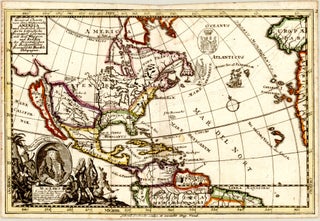
Bodenehr played a distinct role in the commercial proliferation of small-format atlases and defensive cartography during the early 18th century. His work is characterised by precise copper engravings, often featuring decorative hand-coloured outlines and detailed city views or regional fortifications. A key milestone in his publishing career occurred in 1716 when he purchased the existing copper plates of engraver and publisher Johann Stridbeck, which allowed the Bodenehr family to fully take over the Stridbeck publishing house in 1717 and issue several expanded editions of related works. His role in the cartographic landscape is established most notably through his Atlas Curieux (first published in 1704), the Curioser Staats- und Kriegs-Theatrum (1715), and Europens Pracht und Macht (circa 1720).
Ultimately, Gabriel Bodenehr the Elder is remembered as a pivotal figure in the Augsburg publishing tradition who made geographical and tactical information accessible through highly structured, finely engraved pocket atlases and town views.